
How Do Online Casinos Influence Tourism?
Online gambling is reshaping tourism: why traditional casino cities are losing visitors and how digital trends are transforming the industry for the long term.

The digital revolution has fundamentally changed how we communicate, work, spend our free time and travel. Traditional gambling hubs like Las Vegas and Monte Carlo are steadily losing tourists to digital gaming alternatives.
The option to enjoy high-quality gaming experiences from home, without the strain of travel or hotel costs, puts established tourism models under pressure. For decades these models relied on the appeal of physical casinos. Now they face existential challenges that force the entire industry to realign. Online gambling threatens traditional casino cities and their tourism. The constant availability of digital games, day and night, without travel expenses or limits through opening hours, does more than shift the choices of individual players. It has deep economic consequences for entire regions whose economies depend heavily on classic casino tourism.
Traditional casinos lose relevance to digital competitors
Traditional casinos are steadily losing visitors, while online platforms are growing at an exponential pace. Long-established casinos in Baden-Baden, Wiesbaden and Atlantic City have reported revenue losses of 15 to 30 percent over the last five years. This trend is not only due to changing playing habits. Demographic shifts also play a key role. Younger generations often see traditional casinos as outdated and unattractive in a digital age. Strict dress codes, limited opening hours and the need to travel there are major barriers for potential guests. At the same time, online platforms offer innovative design that lets players experience the fascinating world of Book of Ra without leaving the sofa. These digital alternatives create immersive experiences with themed worlds that traditional casinos cannot match technically.
Less travel to physical casino destinations worldwide
Airlines and hotels in classic gambling hubs such as Las Vegas, Macau and other well-known casino destinations feel the impact of digitalization very clearly in their figures and occupancy rates. Digitalization has fundamentally changed the traditional gambling sector. Even before Covid, Las Vegas saw a twelve percent drop in international visitors, with Macau showing similar developments. The average stay in these destinations has fallen from five days to just three. Tour operators that spent years specializing in lucrative casino packages in famous gambling cities have had to completely rework their products or abandon this part of their business because of the sharp change in demand. Smaller gambling cities such as Reno or Biloxi are hit particularly hard, as they lack other tourist attractions. A recent study on the digital gambling market shows that 68 percent of surveyed players have reduced how often they travel to casino destinations. This shift affects not only the casinos themselves, but the entire tourism value chain from taxi drivers to souvenir shops.
Digital experiences replace the classic casino atmosphere
Modern online platforms invest millions in developing authentic digital gaming environments that come as close as possible to a traditional physical casino with all its defining features. Advanced virtual reality technologies now allow users to move through highly realistic recreations of world-famous casinos and interact with players from all over the globe. Sophisticated chat functions and live streaming fully replace the social side of physical casinos. Players sit together at virtual tables and talk during tense tournaments. The comfort of being able to play at any time, without travel or dress codes, appeals to more and more users. Gamification features, bonus programs and personalized journeys create loyalty that traditional casinos can barely match. Digital casinos also offer game variants and betting limits that physical venues would never be able to implement.
Regional economic impact of shrinking casino tourism
The economic impact on traditional casino locations is dramatic and complex. Nevada has reported an 18 percent drop in tax revenue from gambling, which directly affects public investment. Thousands of jobs in hotels and restaurants have already been lost or are at acute risk. The former economic boom driven by gambling venues is reversing in many places. Property prices in traditional casino cities are falling steadily and significantly, as fewer skilled workers are needed and demand for housing drops. Many suppliers are filing for insolvency. The knock-on effects hit entire regions. On average, each lost job in the casino sector leads to two more job losses in related industries. Municipalities must develop new economic strategies to offset collapsing revenues.
New tourism concepts beyond classic gambling
Forward-looking destinations respond to these challenges with creative and long-term transformation strategies. Las Vegas is increasingly positioning itself as a city for entertainment and conventions, with high-end shows, restaurants and cultural events. Many former casino hotels are turning into modern wellness resorts or family-focused theme parks. E-sports arenas and gaming conventions attract new visitor groups to these entertainment hubs. Some cities promote alternative travel experiences in unspoiled nature to move away from a pure gambling image. Cultural festivals, major art exhibitions and exclusive food events aim to fill the economic gap created by declining casino tourism in many destinations. Historic casinos are being converted into museums to preserve their heritage. Implementing these diversification strategies calls for substantial investment and long-term planning. Success depends on fast and flexible adaptation to new market conditions.
Hybrid approaches connect online gaming with travel experiences
New concepts aim to link the digital and physical gaming worlds in a smart way. Some resorts offer exclusive online access for hotel guests or host hybrid tournaments where online qualifiers are invited to live finals. Mobile apps allow travelers to start playing on the way and collect points for discounts at the destination. Slow-travel and digital detox trips are marketed as a counterbalance to constant online gaming. In many major cities, new augmented reality technologies are already being tested. They turn entire districts with historic sights, modern shopping areas and cultural hotspots into interactive game zones. As a result, tourism and digital gaming merge into completely new experience formats. At the same time, partnerships between established online platforms and well-known hotels are emerging. They focus on synergies and create business models that give both sides clear benefits through better customer access and higher revenue potential. These hybrid approaches could build an important bridge between traditional and digital gambling and open up promising growth prospects for both sectors.
More articles
Discover Geology and Geoparks in Norway
Norway captivates visitors with geoparks, fossils, fjords and fascinating insights into the country’s geology and Earth history.
Enjoy stress‑free hiking with kids in Norway
Norway delights families with child-friendly hiking trails, fjords and unforgettable nature experiences for young and old alike.
Experience Historic Castles and Fortresses in Norway
Norway fascinates with stave churches, fortresses, historic architecture and cultural sights set between fjords and mountains.
Grøtfjord Beach: Reindeer on the Beach in Norway
Grøtfjord Beach combines bright sand, rugged mountains and Arctic calm. Discover what makes this beach so special, from wild nature to possible encounters with reindeer by the shore.
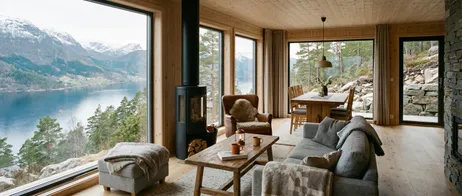
Furnishings in Norwegian Holiday Homes: Clear and Comfortable
What defines the furnishings of Norwegian holiday homes? A look at design, materials and comfort that make a holiday in Norway feel special.

First Trip to Norway: Discover the Highlights
Planning your first trip to Norway? Discover ideal regions for a first-time visit and see which landscapes make the country so unique.
