
Traveling in Norway: Why Good Vision Matters
Find out why good vision is crucial on a trip to Norway – for safety, comfort and an intense nature experience among fjords and mountains.
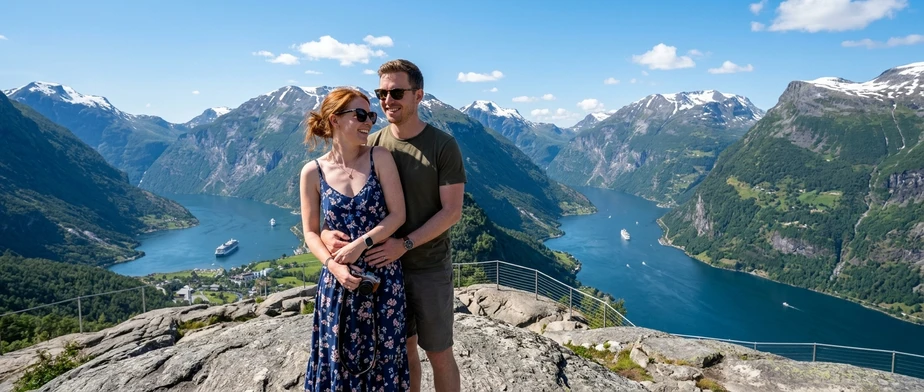
On trips to Norway, breathtaking nature unfolds with fjord-lined coasts, steep mountains and beautiful sunsets.
You can only enjoy this experience in its full intensity if your vision is not limited. Many travelers are surprised at how much good eyesight influences safety, comfort and the overall quality of a trip. Whether you are exploring Bergen, hiking in the north or taking a boat tour through the skerries, clear vision means freedom, flexibility and full perception of everything that makes Norway so unique.
The importance of good vision on vacation: safety, health and an intense travel experience
Why is good vision so important when traveling in Norway? First of all, it is about safety. On unfamiliar paths, in changing weather or in rough terrain, good eyesight is key for quick reactions and a secure feeling. Trip hazards, slippery rocks and steep cliffs are easier to spot and risks can be recognized in time. Drivers benefit from accurately judging distances and movement. This is a clear advantage not only on narrow mountain roads, but also when navigating cities and tunnels. Travelers can also get professional support through individually fitted glasses or expert advice, such as that offered by the optician eyes + more.
There is also a health aspect. Demanding activities with reduced visual performance can quickly lead to headaches and concentration problems. Overstrained eyes put stress on body and mind, something that is easy to avoid on vacation. Another often overlooked point: Only with optimal vision does Norway’s diversity reveal its full detail. The colors of the northern lights, fine architectural details and the vastness of the landscape become defining memories when you see them in sharp focus. Photography lovers, wildlife enthusiasts and active travelers in particular notice how even small limitations can noticeably reduce the joy of discovery.
Preparing and choosing the right visual aids: eye test, glasses and modern solutions
When planning a trip to Norway, it is worth having your eyesight checked in good time. A professional eye test a few weeks before departure helps to detect changes early and make any necessary adjustments. If you are planning outdoor activities or demanding tours, take a close look at your current glasses or contact lenses. Are the lenses still scratch-free? Do you have a spare pair for emergencies? Is the UV protection sufficient? Anyone who wants to be on the safe side can also opt for specialized solutions such as glasses with polarized lenses. They reduce reflections and increase contrast, which makes it much easier to orient yourself on the water or on rocky trails.
Modern contact lenses also offer technologies that provide very high comfort and improved oxygen supply. For people with allergies or sensitive eyes, daily disposable lenses are often the most comfortable choice. Visual aids with integrated light protection filters can make a real difference in regions with intense sunlight, as is common during Norwegian summers. It is also important to pack a robust case and suitable cleaning products. This keeps your visual aid ready for use, even when conditions change.
Practical tips for using visual aids: adapting to environment, light and individual needs
How can you ensure good vision throughout your vacation in Norway? First, it helps to adapt your visual aid to local conditions. If you spend a lot of time outdoors, look for photochromic lenses that automatically adapt to changing light. In Norway, brightness fluctuates strongly due to long summer days and rapid weather changes. Sunglasses with a high filter category or a curved shape not only protect against UV rays, they also shield your eyes from wind and dust during hikes or boat trips.
Photographers should check their lenses regularly for dirt, because sea salt, raindrops and dust build up quickly. Contact lens wearers should pack enough cleaning solution and spare lenses, especially for longer trekking tours or travel stages far from cities. Anyone who suffers from allergies or dry eyes can bring hydrating eye drops or use special materials that are less irritating.
Your daily condition and planned activities should also influence your choice. The ideal pair of glasses for a city stroll is often very different from sports or multifocal glasses for the mountains. A compact cleaning cloth in your backpack, a spare pair for emergencies and conscious breaks during long periods of exertion round off good vision management on a trip to Norway.
Conclusion: See clearly, experience more
Those who ensure good vision on their vacation in Norway create the basis for safety, well-being and vivid impressions. From careful preparation and modern visual aids to smart use on the road, focusing on optimal eyesight makes the travel experience richer, safer and more relaxed. This is how you can enjoy Norway’s many facets to the fullest, down to the smallest detail.
More articles
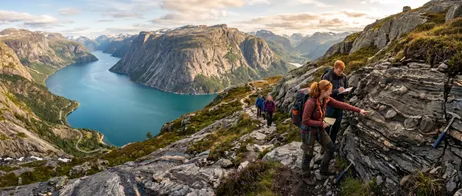
Discover Geology and Geoparks in Norway
Norway captivates visitors with geoparks, fossils, fjords and fascinating insights into the country’s geology and Earth history.
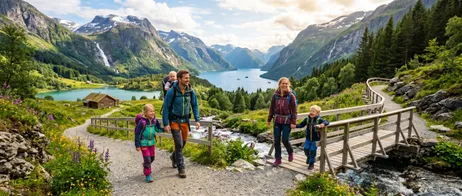
Enjoy stress‑free hiking with kids in Norway
Norway delights families with child-friendly hiking trails, fjords and unforgettable nature experiences for young and old alike.
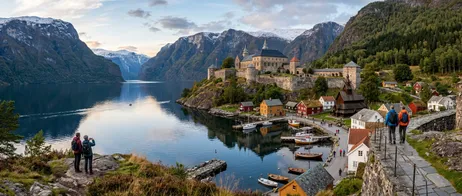
Experience Historic Castles and Fortresses in Norway
Norway fascinates with stave churches, fortresses, historic architecture and cultural sights set between fjords and mountains.

Dog Sledding Tour in Norway with Enduring Huskies
A dog sledding tour in Norway combines snowy landscapes, clear air and huskies. Discover Finnmark and mountain Norway in a very special way.

Ferry connections to Norway: Plan your car journey well
Which ferry routes to Norway are an option? Find out how to travel with a car or motorhome and what you should keep in mind for a relaxed journey.

The best time to visit Norway
When is a holiday in Norway most rewarding? This article shows what makes spring, summer, autumn and winter special and which travel time fits your plans.
